
Olive Oil in Desserts: A Light, Aromatic Signature
- Dec 15, 2025
- 2 min read
Introduction
In desserts, olive oil is not merely a butter stand-in. Chosen well, it silks the crumb, leaves no greasy weight, and adds a nuanced fruitiness. Green-fruity, clean-pepper oils like Memecik pair beautifully with citrus and dark chocolate; softer profiles excel in cakes and cookies where texture matters most.
Style by Dessert
Use lively, green-fruity oils with citrus zest, cocoa and spice-forward sweets. Reach for softer, clean-finish oils in olive-oil cakes, nut-based batters and dairy-led gelato bases. The goal is to build a bridge, not a clash.
Emulsion and Texture
Olive oil forms stable emulsions with eggs and dairy, yielding moist, tender crumbs. Whisking the oil with sugar or egg first disperses droplets evenly. This micro-emulsion keeps cakes supple the next day without heaviness.
Heat and Time
High oven temps blow off volatiles. Medium heat with slightly longer bakes preserves aroma. Post-bake, a faint raw drizzle over warm surfaces acts like perfume, lifting the nose without soaking.
Contrasts: Salt, Acid, Bitter
A pinch of sea salt heightens perceived sweetness and clarifies fruitiness. Citrus juices or light vinegar syrups break monotony. Dark chocolate’s gentle bitterness meets Memecik’s short peppery finish for elegant tension.
Applications
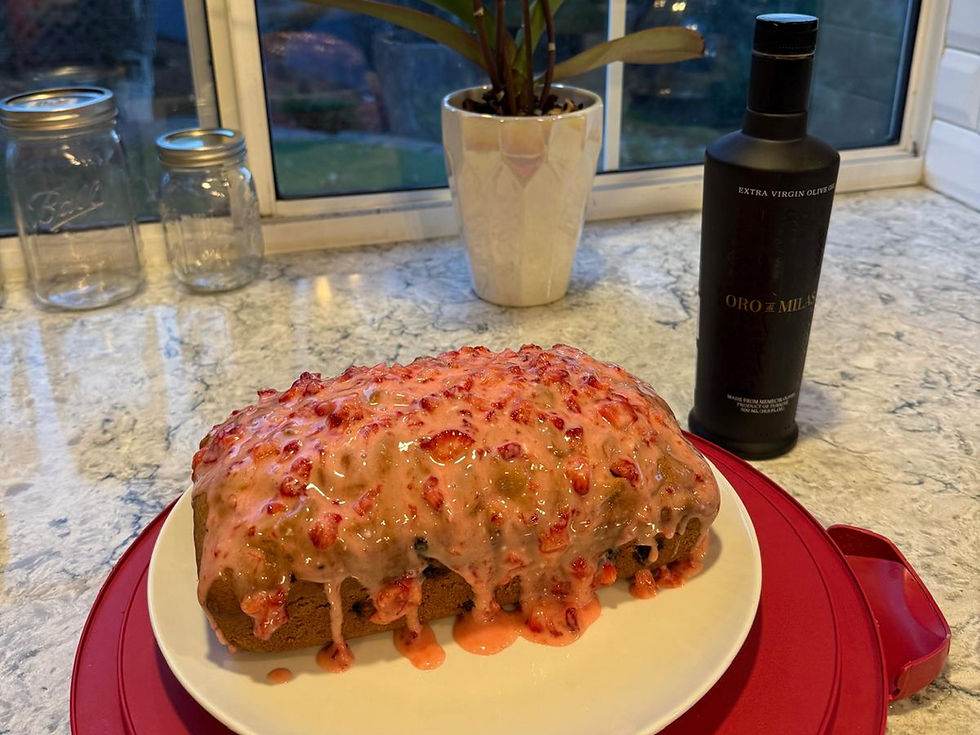
For lemon–almond olive-oil cake, balance zest with a few grams of raw oil after baking rather than heavy syrup. In chocolate tart, keep the cream lean and finish with a thin ribbon of oil and microplaned citrus. In gelato, reduce dairy fat to let the oil sing; add a final drizzle at service for sheen and scent.
Service and Storage
Room temperature best expresses the nose. Deep chilling dulls both texture and perfume. Briefly temper before serving for clarity on the palate.
Takeaway
With precise style, emulsion and finishing, olive oil becomes a light, memorable signature in desserts. Memecik shines where citrus and cocoa live.


Comments